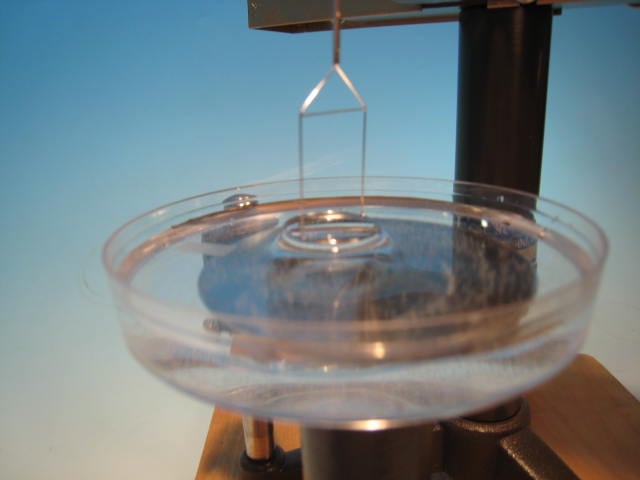
I was musing, the other day on the designs of two ring tensiometers. One of them is called an interfacial tensiometer

I was musing, the other day on the designs of two ring tensiometers. One of them is called an interfacial tensiometer
Topics: Surface Tension Measurement, Surface Tension, interfacial tension, interfacial surface tension, surface Tension Testing, du Nouy Ring Method, du Nouy tensiometer, Liquid Properties

The first question is, "What are Liquid Properties?" Are they some kind of underwater real estate?
Read MoreTopics: Automatic Surface Tension Measurment, Measure Viscosity, Consistency, contact angle, Liquid Properties, density
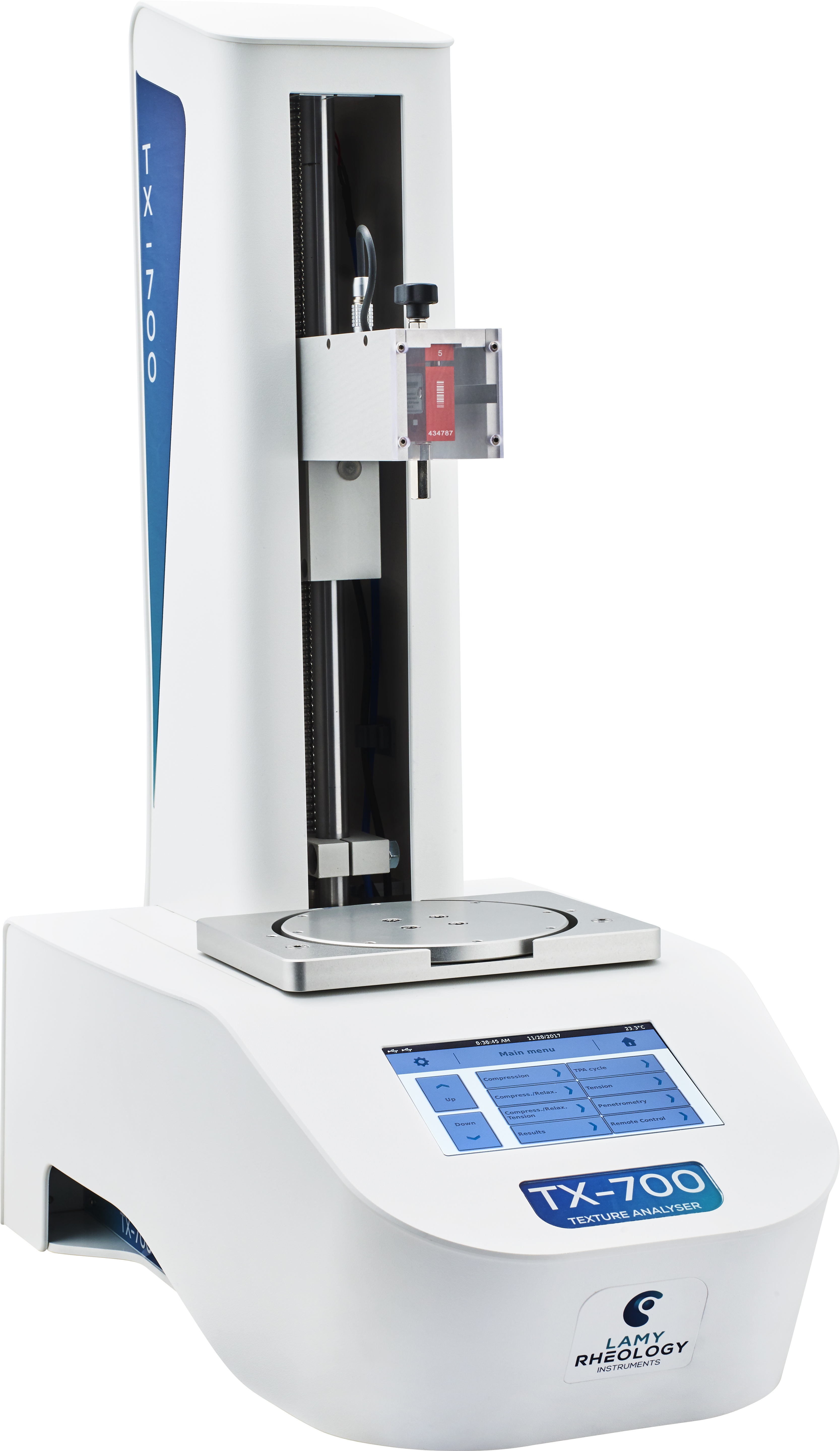
People love to say taste is everything, but food rarely lets the story end there. A dish can look impressive and taste great, yet if the texture is off, enthusiasm can disappear after the first bite.
Food purchasers and manufacturers know flavor cannot carry the whole performance. If a product feels too soggy, too tough, too grainy, or simply not as expected, that first bite may be followed by a firm “no thanks.” That is why these sensory qualities need to be measured objectively, consistently, and repeatably. That set of qualities has a name: texture.
Read MoreTopics: Texture Analysis

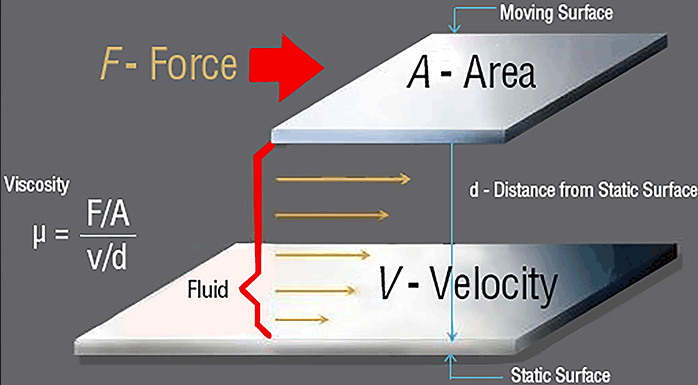
At first glance, viscosity seems pretty straightforward: it tells you how thick a liquid is, or how easily it flows. Case closed, right?
Read MoreTopics: Newtonian Fluid, Viscometers, Viscosity, Consistency, Kinematic Viscosity, Dynamic Viscosity, rotational viscometer, Liquid Properties, density, Texture Analysis, gel time
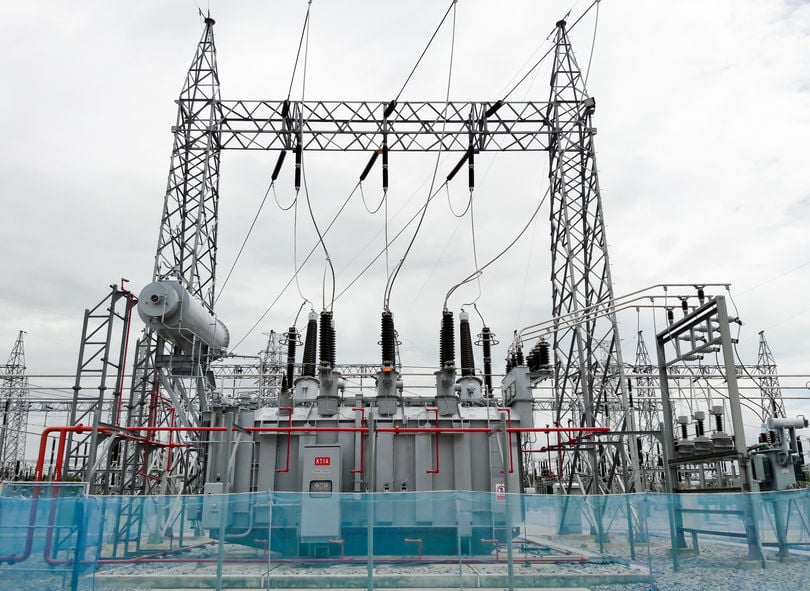
Liquid surface tension has a straightforward definition with a dramatic job description: it’s the force that politely stops a liquid from flinging itself off into the universe.
Measuring it, however, is far less straightforward. There are multiple ways to quantify surface tension, and they can quickly turn an easy concept into a small maze of methods. To bring some order to the chaos, this article focuses on two main measurement approaches: drop-based techniques and force-based techniques.
Topics: Automatic Digital Tensiometer, Automatic Surface Tension Measurment, Surface Tension Measurement, Surface Tension, Interfacial Tensiometer, interfacial tension, tensiometers, du Nouy tensiometer, surface tension instruments, surface tension analysis
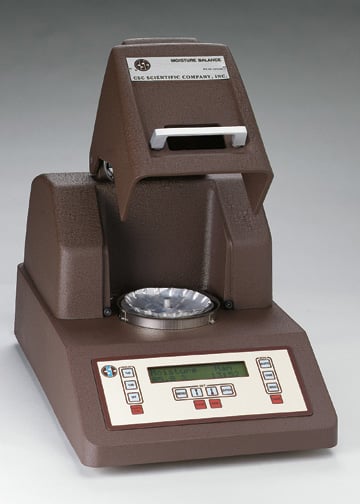
Topics: Free Moisture, Moisture Testing, CSC Digital Moisture Balance, Moisture
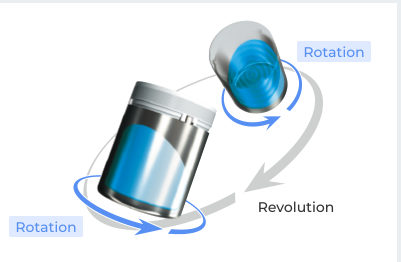
Topics: Micron-Sized Particles, Texture Analysis, bound water, Mixers, Planetary Centrifugal Mixer, Centrifugal Mixer, planetary mixer
Topics: Newtonian Fluid, Viscometers, Dynamic Viscosity, viscometer, rotational viscometer, Viscosity Stress, Viscosity Shear Rate, Non Newtonian
Let's explore the alternatives and compare their respective capabilities.
Topics: Wilhelmy Plates, Automatic Digital Tensiometer, duNouy Rings, Tensiometer, Surface Tension Measurement, Surface Tension, Fisher Tensiomat, Tensiomat Trade-In, Liquid Properties, Digital tensiometer, automatic Tensiometer
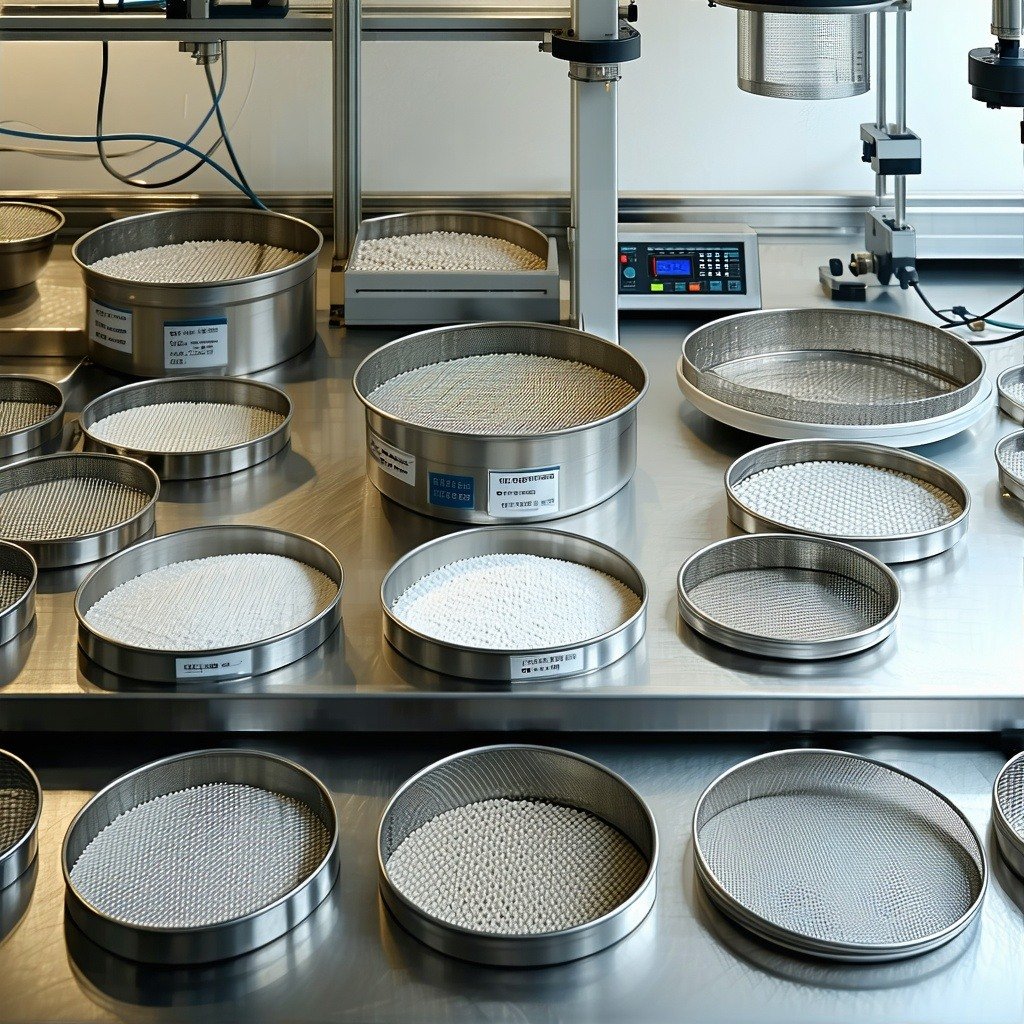
ASTM and ISO establish standards for the acceptable range of openings in a wire mesh sieve. For larger mesh sizes, the variation between the largest and smallest acceptable openings has little impact on sieve performance. However, as mesh sizes decrease, the potential for performance differences between sieves becomes significant. These discrepancies, especially when an old sieve is replaced in a master stack, can lead to problematic QC data. Mid-Point sieves can help alleviate this issue.
A mid-point sieve has had the mesh inspected after mounting. The sieve is then selected as a mid-point if the results give tolerances that are in the middle of the ASTM standard.
Read MoreTopics: Sieve Certification, Sieving Process, Sieve Analysis, Sieve Quality
CSC Scientific Company, Inc
2799-C Merrilee Drive
Fairfax VA, 22031
800-621-4778
703-280-5142 (fax)
csc@cscscientific.com
No part of this page or any other page in this site may be copied or reproduced in any way.